


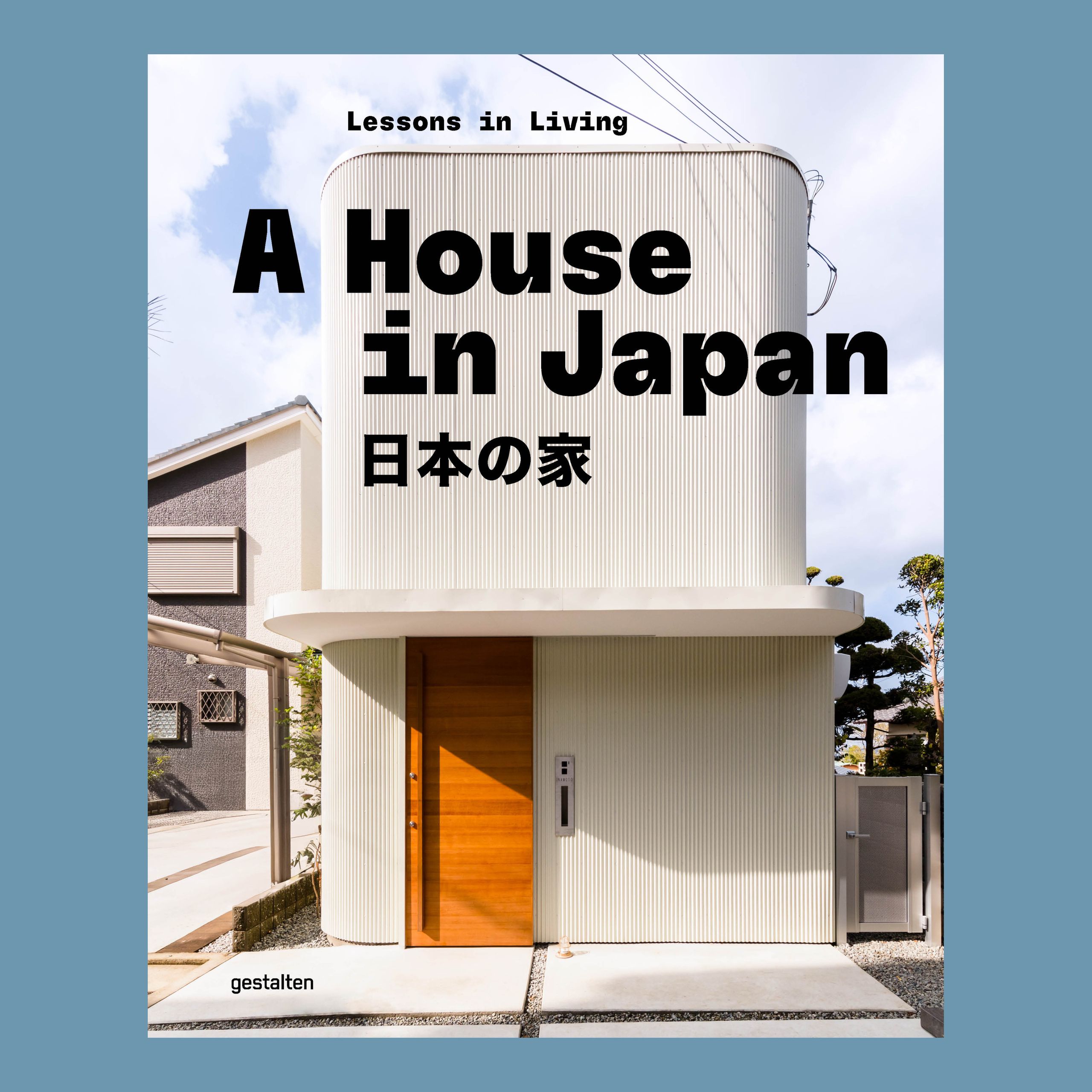
Japanese house design has been a fixation of the West since the early 20th century. From Charles Rennie Mackintosh to Frank Lloyd Wright and the Bauhaus and beyond, the country’s housing stock showed Western architects a radically different approach to spatial planning, construction methods, decoration and even pre-fabrication.
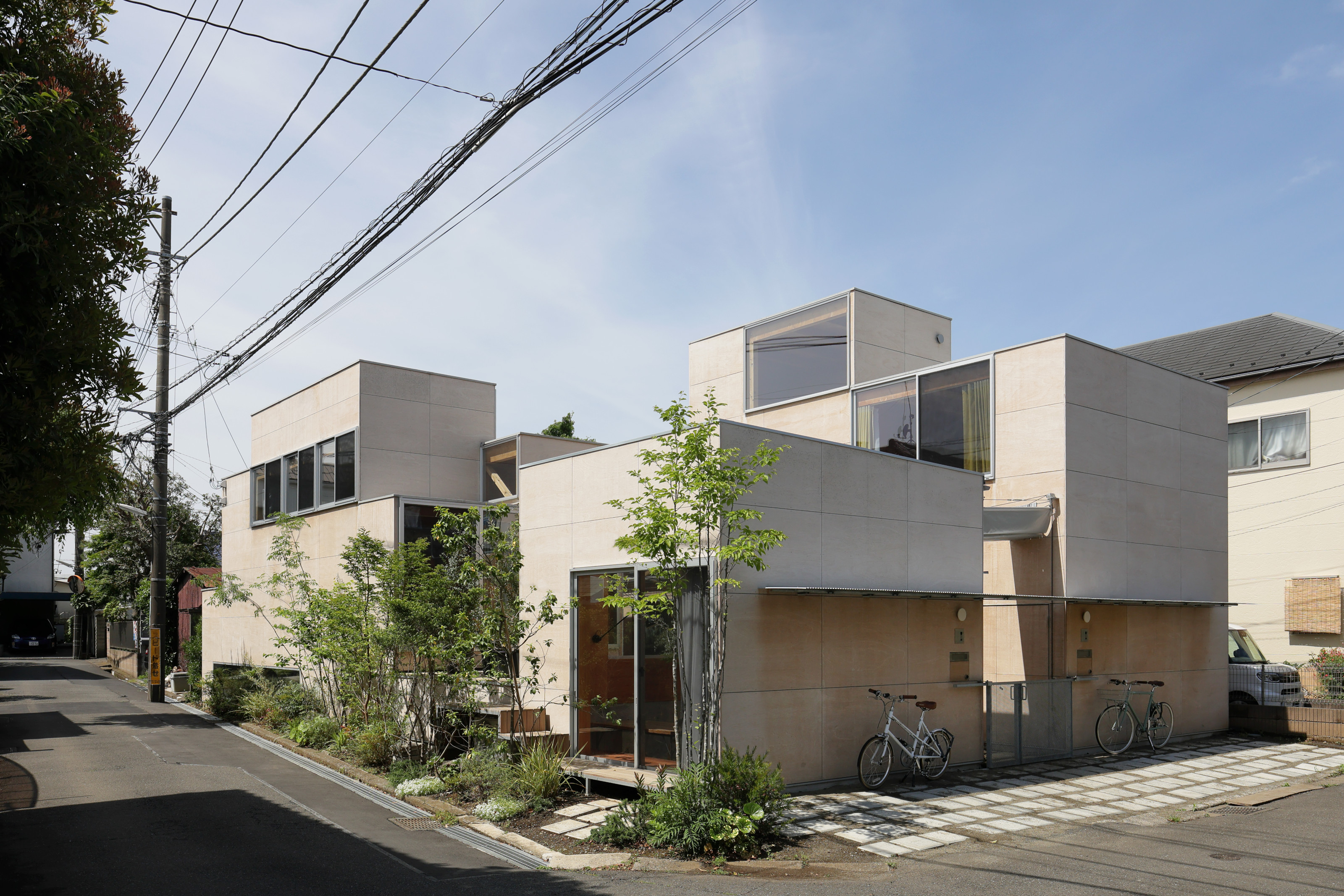

Two Houses, Tokyo, Unemori Architects
(Image credit: Kai Nakamura)
Explore Japanese house design and architecture in this new book
The subtitle of A House in Japan, a new monograph from Gestalten, is Lessons in Living, furthering the idea that the Japanese domestic experience can still offer a different path in a world conditioned by the OTT creature comforts and scale of McMansions and badly built tract houses.
Central to the book’s thesis is that radical acts can be understated and that ‘even the everyday can be transformed into something unexpected’.
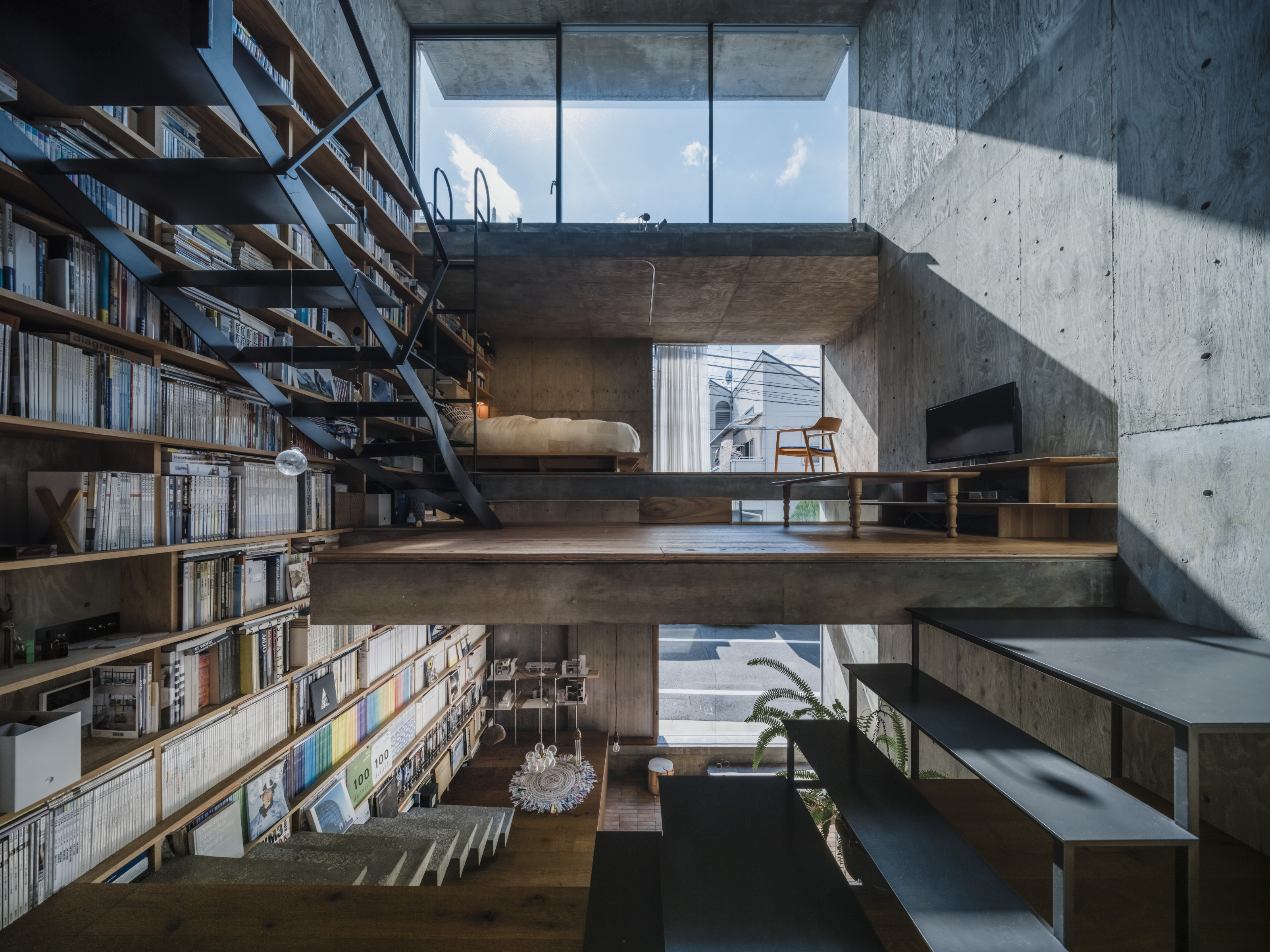

Building Frame of the House, IG Architects, Tokyo: ‘This compact, 646-square-foot home is a single, fluid room defined not by walls, but by seven floor plates that stagger and float. This unconventional vertical arrangement transforms the small space into an experience of vastness.’
(Image credit: Ooki Jingu)
What leaps from the page is the spatial innovation, the idea that vertical space is just as valid as traditional planning and the sense that small plots need not constrain architectural ideas.
Some of the featured houses are most experimental than others, perhaps buoyed by a culture of relative impermanence that sees housing stock regularly replenished and places the value on site, rather than structure.
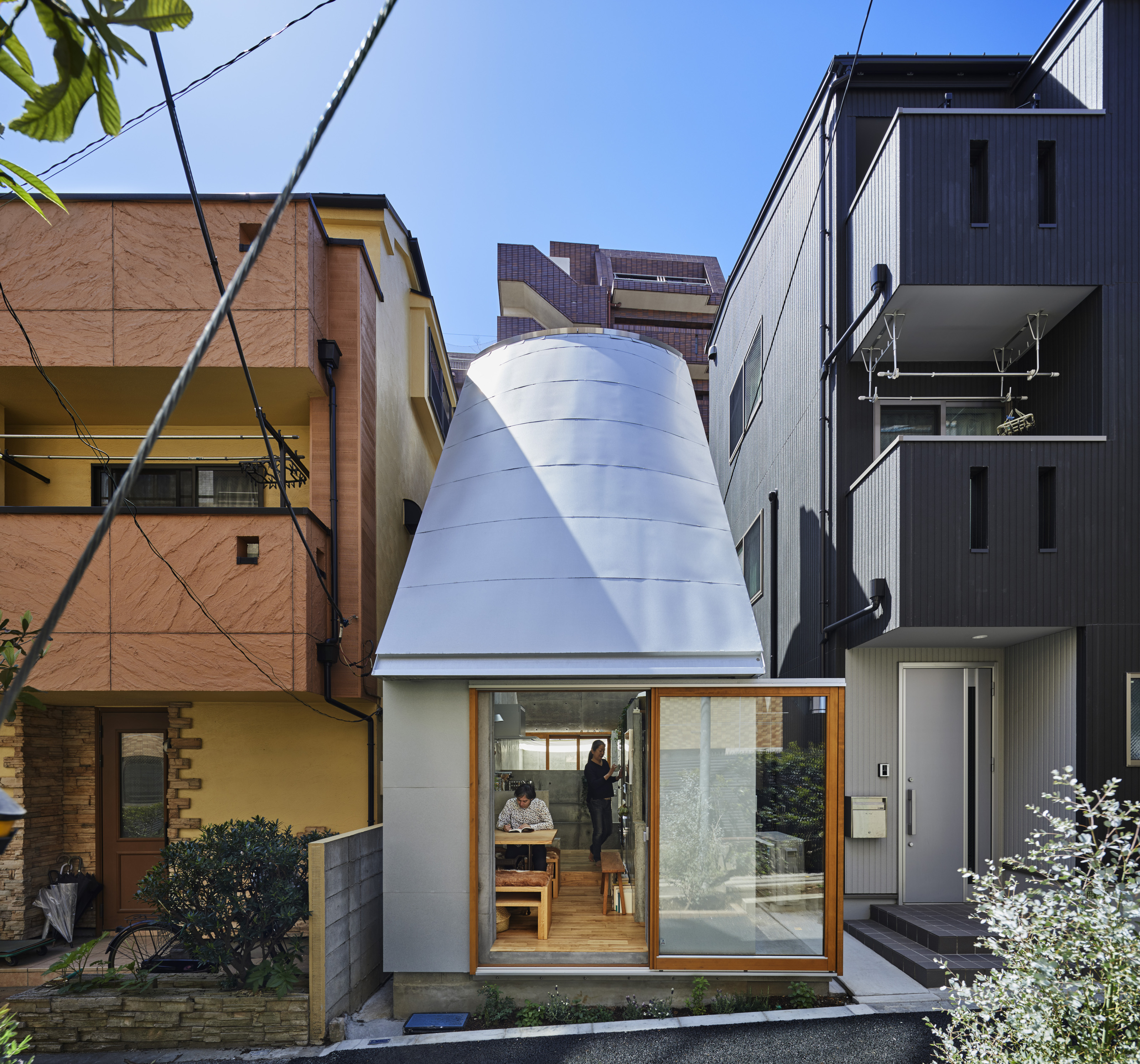

Love2 House, Takeshi Hosaka, Tokyo: ‘A compact, 203-square-foot dwelling that challenges what is essential for living. Its twin concrete shells open toward the sky, channeling light and embodying the infiniteness of small things’
(Image credit: Nacasa & Partners Inc)
Japan’s cities also offer lessons in density, both through the aforementioned use of verticality and connectivity between multiple levels, but also in the acknowledgement that space isn’t to be wasted. Excessive space is not luxurious but profligate and better planning always triumphs.
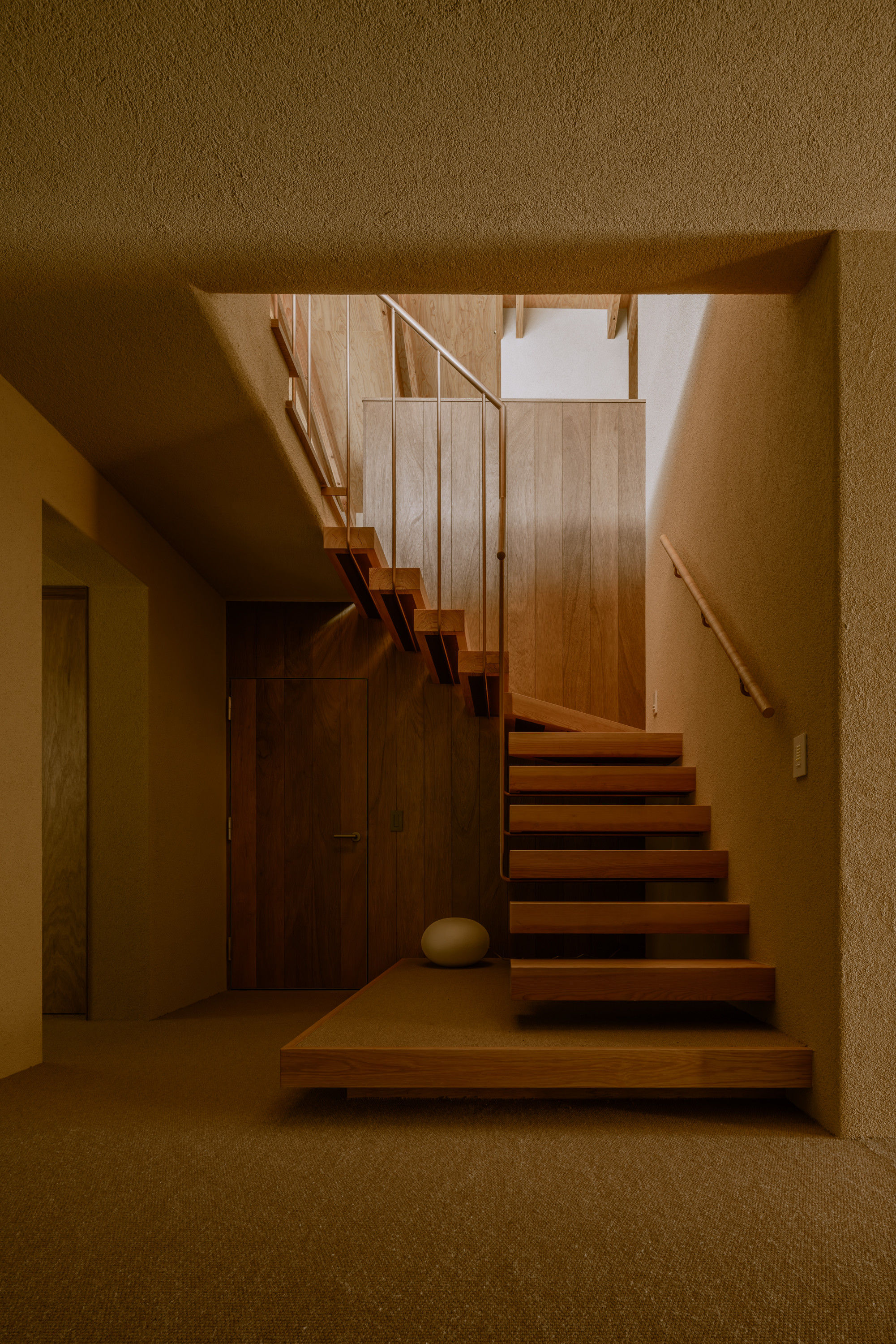

House in Yakumo, Kooo Architects and Kazuaki Isoda, Tokyo
(Image credit: Keishin Horikoshi)
Featured studios include Keiji Ashizawa, Kooo Architects, SAI Architectural Design Office and Studio Cochi, with projects in Osaka, Tokyo, Koyoto and beyond. Here are some of our favourite houses from the book’s 40+ projects.
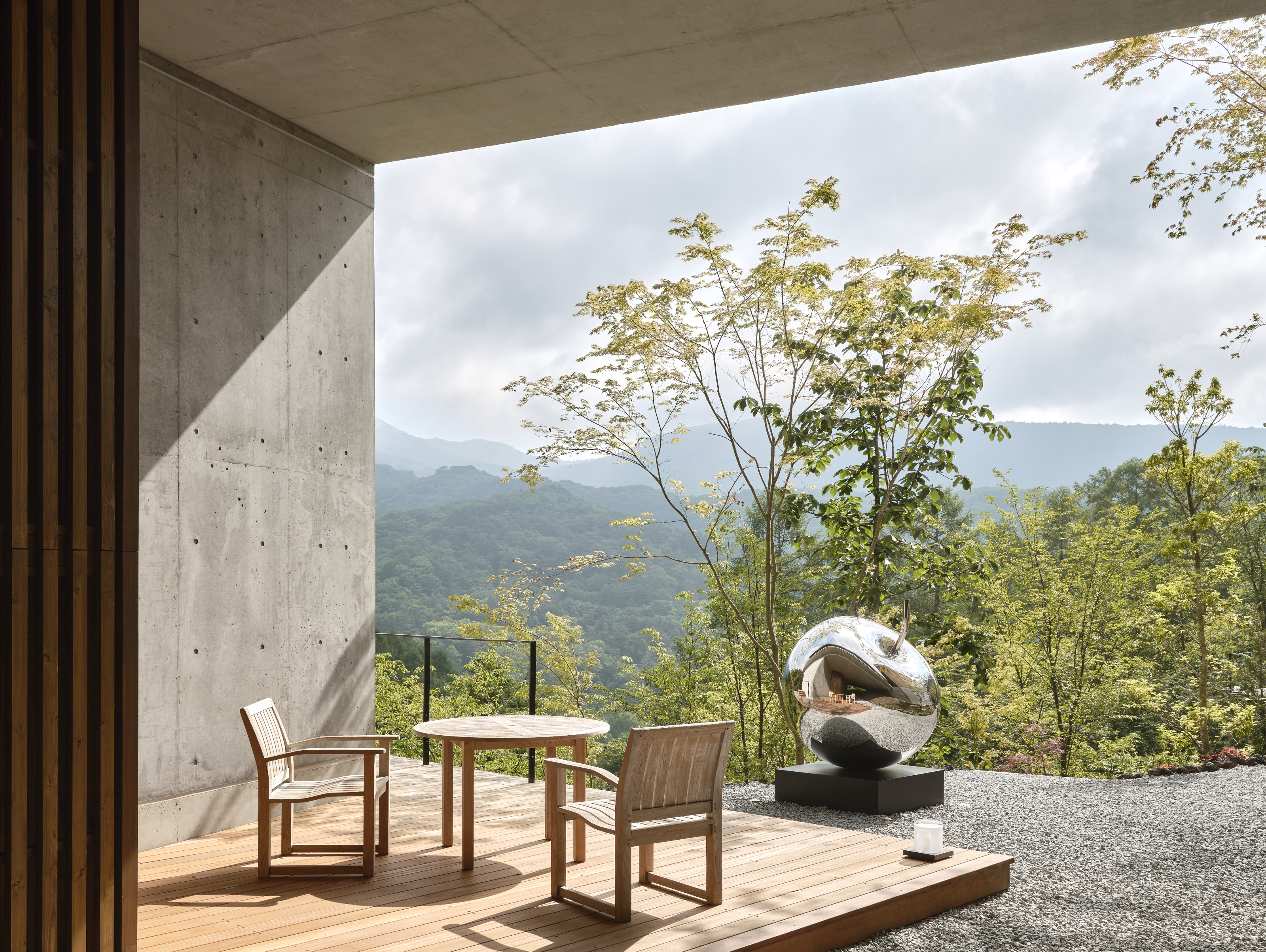

Itsu Sho Sha, Ed Ng and Terence Ngan, AB Concept, Nagano
(Image credit: Owen Raggett)
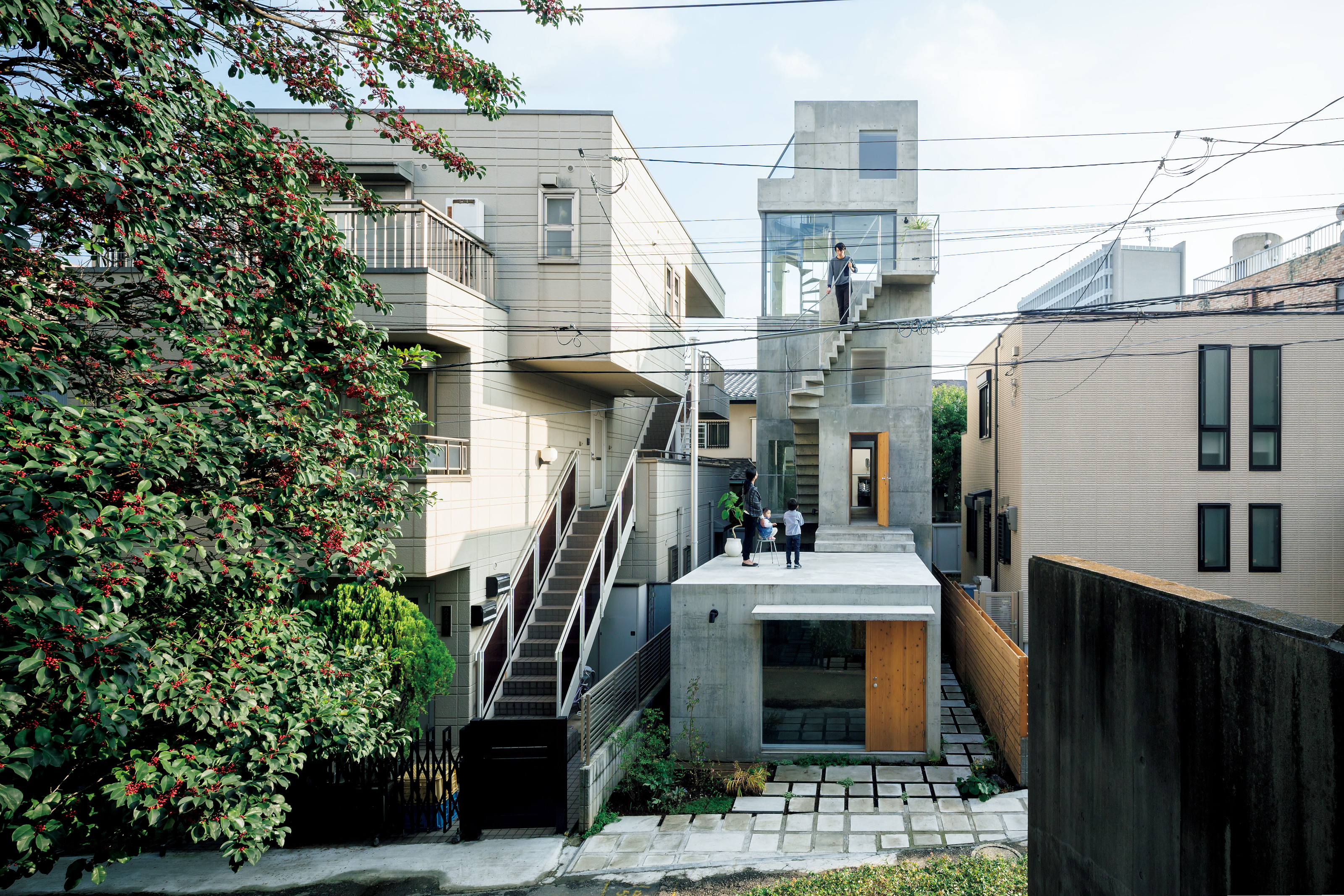
Hut and Tower House, Onishimaki + Hyakudayuki, Tokyo
(Image credit: Shinkenchiku-cha)
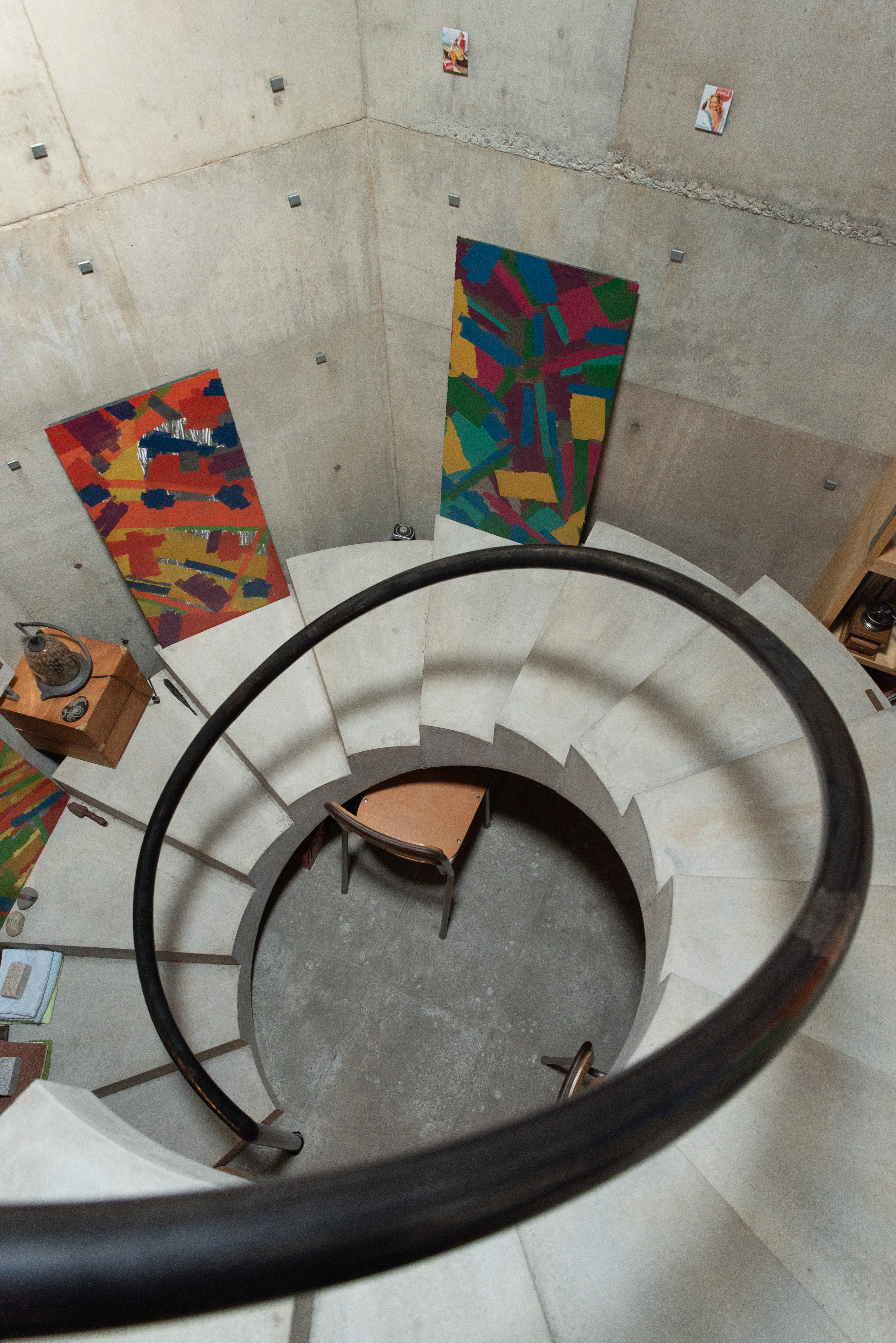

Sako House, Tomoaki Uno Architects, Aichi
(Image credit: Nathanael Bennett)
‘A House in Japan: Lessons in Living,’ Gestalten, £45, Gestalten.com
link