


Tanzo Space designs Meng Du Hui’s new Restaurant in Beijing
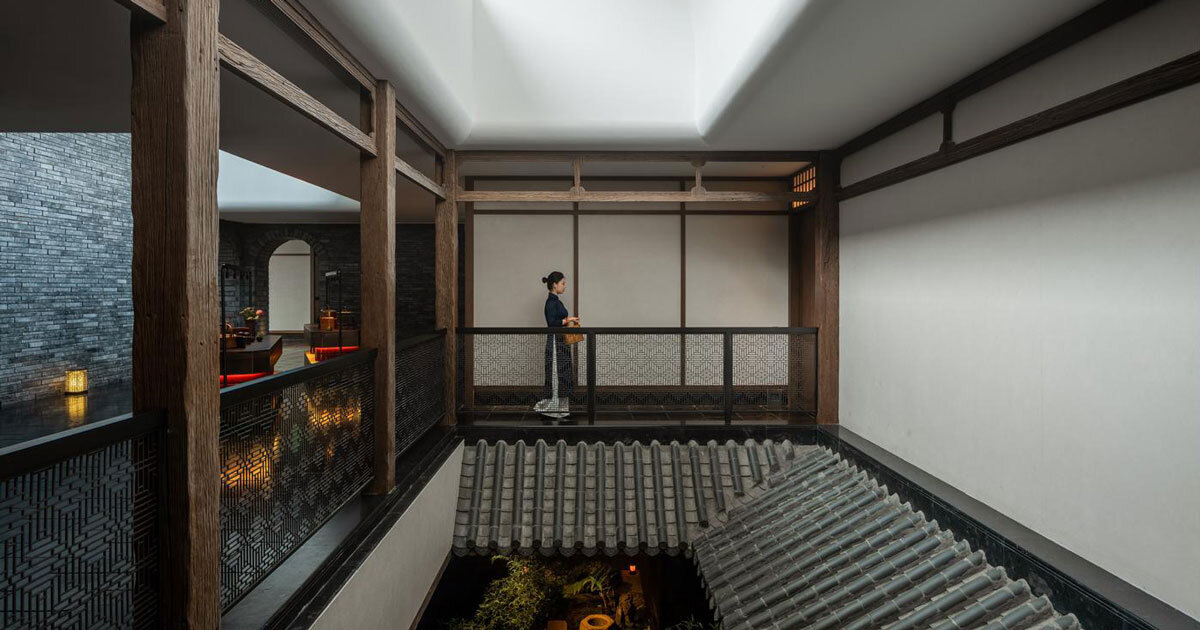
Meng Du Hui Restaurant’s New Huizhou Cuisine opened in Beijing’s Wanshou Hotel, a unique culinary and design project by TANZO Space. The restaurant’s interior draws from the heritage of Huizhou cuisine and culture, blending modern architectural elements with traditional inspirations from Huizhou courtyards. The design team began the renovation with the symbolic significance of Huizhou’s aesthetic, merging it with elements from Beijing’s urban environment. Designed as an homage to the region’s quiet elegance, the restaurant layers contemporary forms and historical narratives to create a space that reflects and celebrates Huizhou’s rich cultural and culinary heritage.
Within the restaurant, visitors are greeted by an interplay of natural textures, minimalist forms, and symbolic architectural elements. A water-framed entry pavilion, inspired by the Huizhou custom of outward adaptability and inward authenticity, introduces the theme of balance that continues throughout the space. Water features, slate textures, and bamboo groves evoke the stillness of nature, drawing the outdoor environment into the restaurant. The spatial journey within Meng Du Hui echoes the Huizhou landscape, unfolding a layered experience of courtyards, atriums, and pathways that blend indoor and outdoor sensibilities. The architecture’s columns and openwork window screens add depth and rhythm, referencing Huizhou’s distinct black-tiled roofs and white walls.
all images by TOPIA Commercial Photography

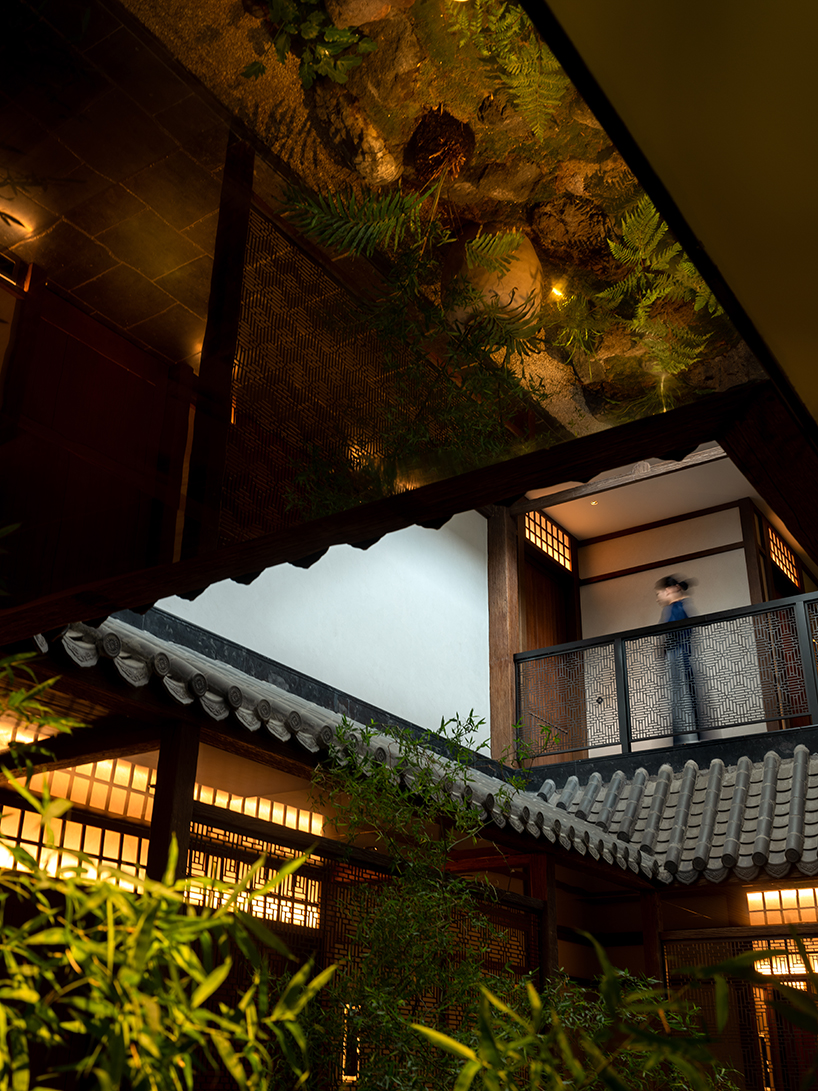
stone, wood, and paper shape Meng Du Hui Restaurant’s interiors
Functionally, the interior layout integrates contemporary dining with a meditative atmosphere, offering areas for varied dining experiences. Tanzo Space Design Studio chooses materials like stone, wood, paper, and lacquer for their tactile and visual harmony, encouraging a deeper engagement with the space. Each level provides a different perspective; from the ground floor, visitors can look up to a reflective ceiling that mirrors the bamboo grove, while the second-floor corridor opens to a view of the layered bamboo garden, merging with reflections that shift in the changing light. Symbolic motifs such as the ruyi gates and latticed window screens echo Huizhou’s architectural language while adapting it to a modern urban setting.
The restaurant’s design further emphasizes the seasonal quality of Huizhou cuisine. Featuring 70% of ingredients sourced directly from Anhui, the restaurant’s menu evolves throughout the year, echoing the natural cycle celebrated within the space. This adherence to authentic, regionally sourced ingredients provides a foundation for the gastronomic experience at Meng Du Hui. Light and shadow play an integral role in shaping the atmosphere, with pavilions and screens creating a sense of layered continuity, inviting diners to slow down and experience the cultural depth of their surroundings.
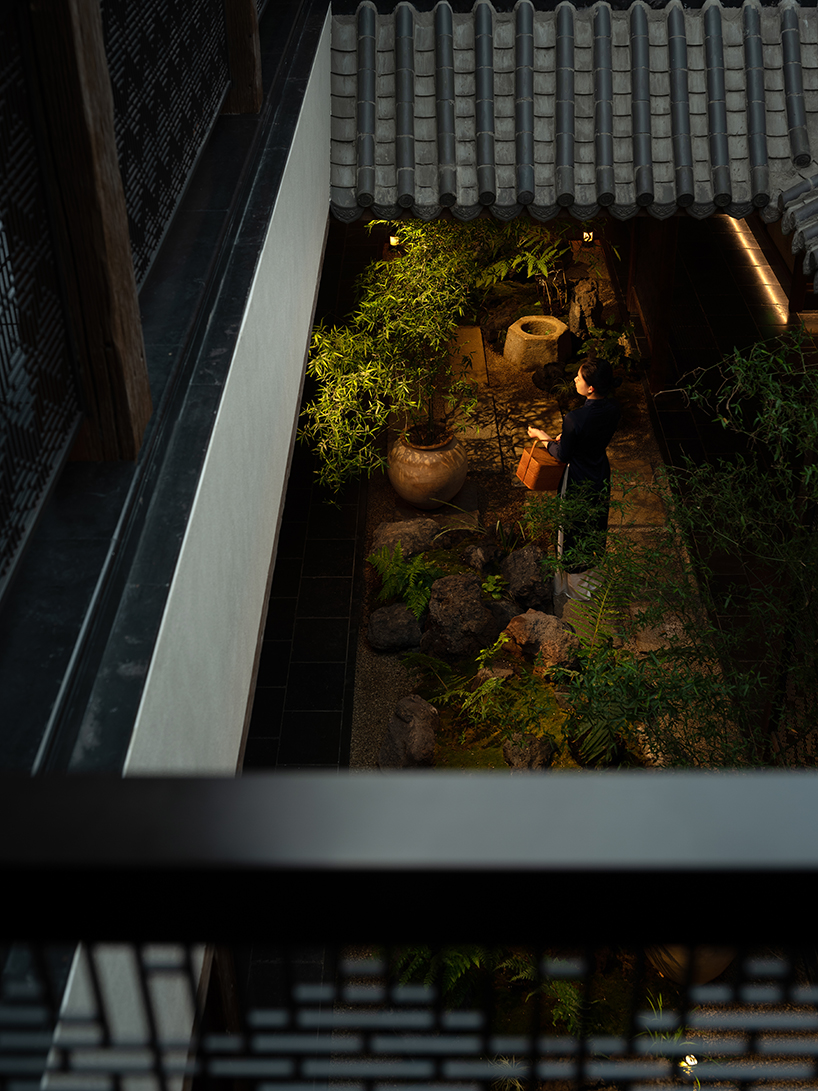
the restaurant blends Huizhou architectural motifs with Beijing’s urban elements
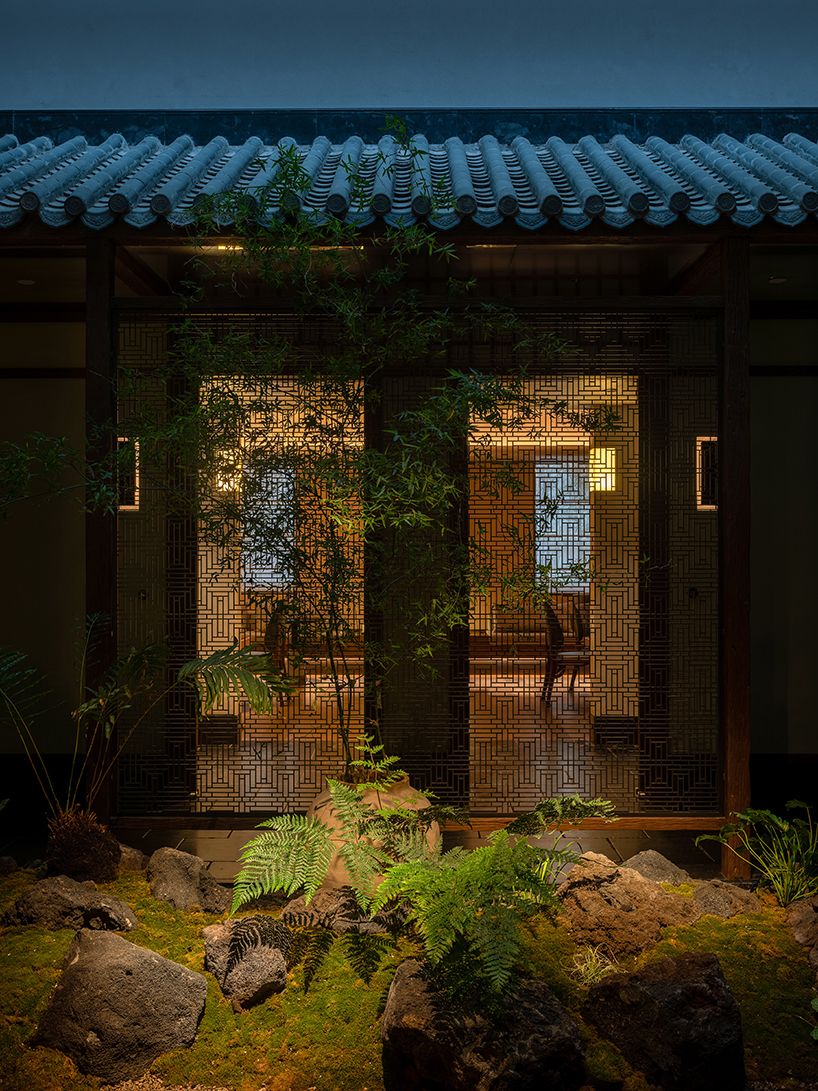
bamboo groves and slate textures bring a sense of stillness, connecting guests with nature
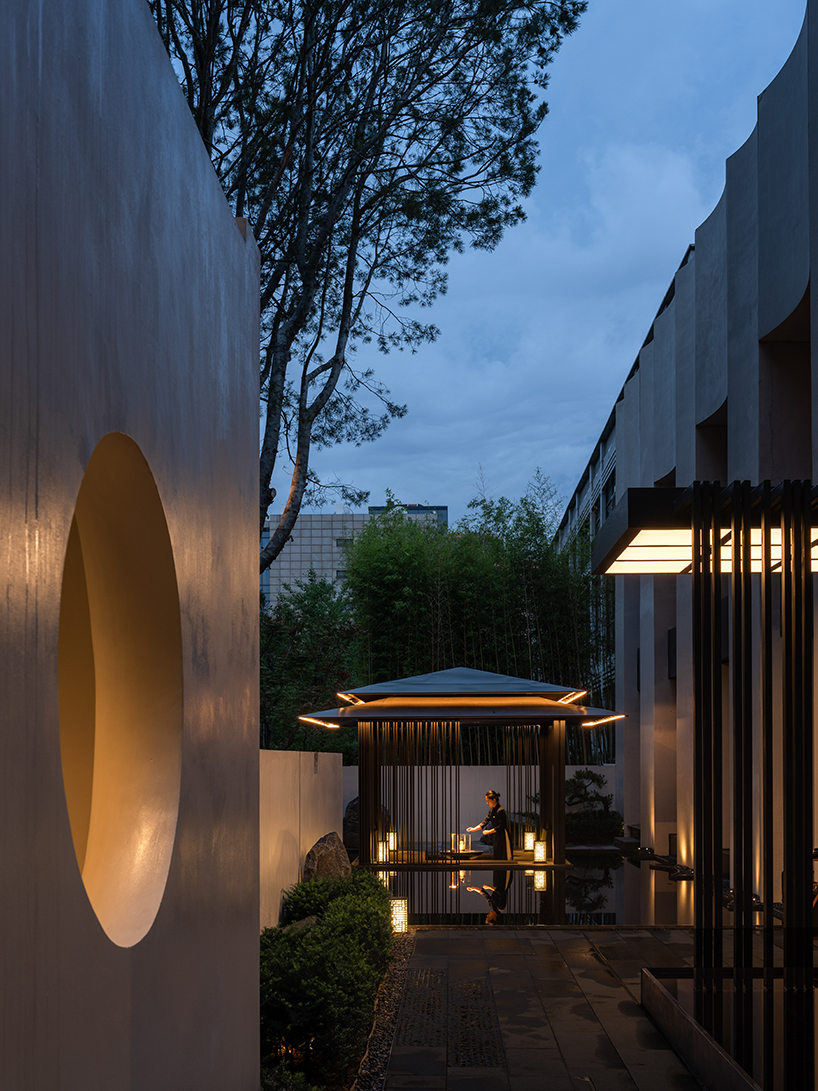
a water-framed entry pavilion welcomes visitors, inspired by Huizhou’s adaptable aesthetic
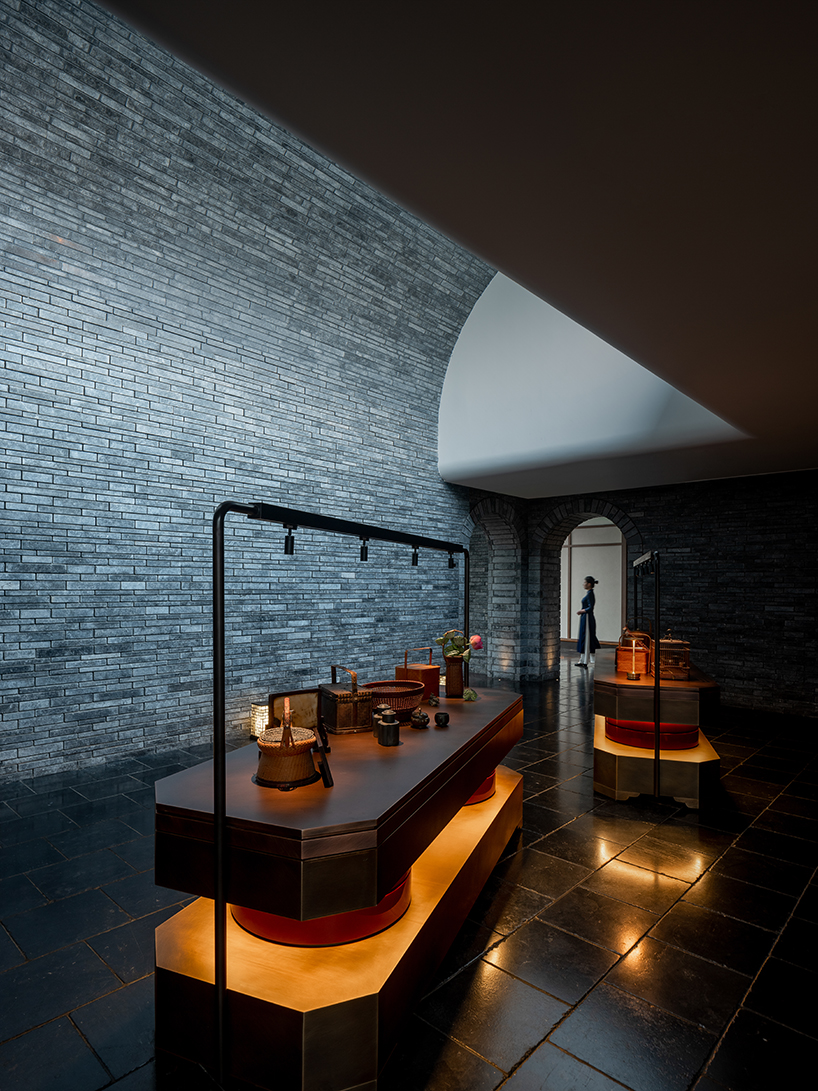
light-filled atriums and window screens introduce a rhythmic, layered continuity
link